
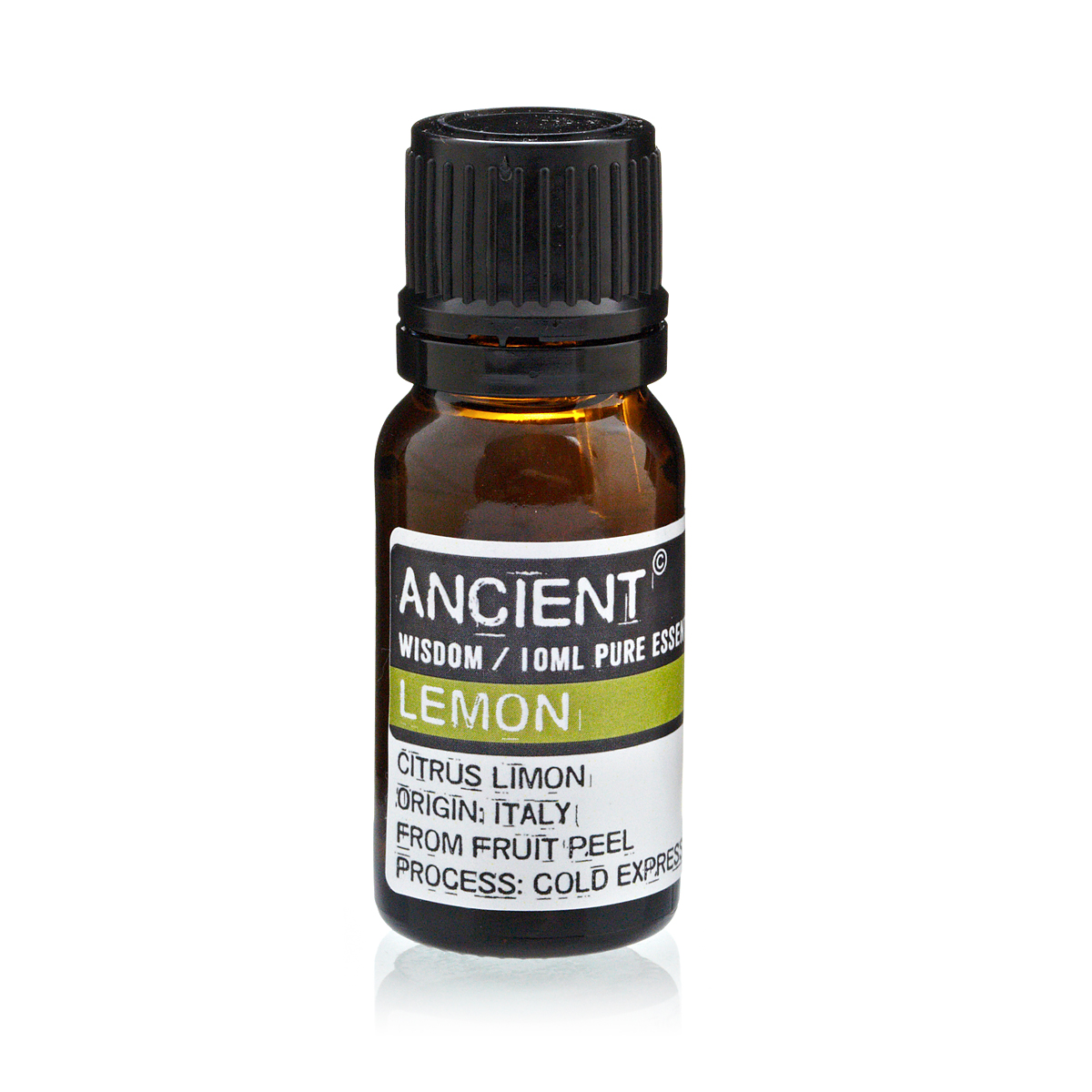
10 ml Lemon Essential Oil
£2.30
Delivery Info
UK
Royal Mail 48 (3-5 Working Days*) £4.99, free when you spend over £50 (Excludes Isle of Man & Channel Islands, as well as larger items & furniture, for which delivery will be calculated at checkout)
UPS – 1-2 Working Days** (Excludes Isle of Man & Channel Islands) £6.95
Isle of Man
Royal Mail 48 (4-6 Working Days*) £4.99
Channel Islands
Royal Mail 48 (4-6 Working Days*) £4.99
Returns
We hope you are happy with your purchase, but if you are not, or you have simply changed your mind, please return your unused, unopened item to us within 14 days from receipt for a refund. Please email hello@oneandevery.co.uk to let us know to expect your package. within 14 days of receipt.
10 in stock
You May Also Like…
Related products
-

Sam Wilson Notebook A6, Owl & Fox
£5.50 -
Sale!

Message Clip Frame – Sisters
Original price was: £9.99.£4.99Current price is: £4.99. -
Sale!

Rainbow Graphique Tealight Holder – Sister
Original price was: £5.99.£1.99Current price is: £1.99. -
Sale!

Rainbow Graphique Tealight Holder – Friends
Original price was: £5.99.£1.99Current price is: £1.99.
Latin Name : Citrus Limon.
Part Of Plant Used : Fruit Peel
Source : Italy.
Extraction Method : Cold Expression.
Lemon Essential Oil has a sharp, fresh smell and is extracted from the fresh lemon fruit peel by cold expression. This oil is refreshing to the mind, and sharpens concentration, so it is often preferred in room fresheners for offices and banks. It is believed to help with rheumatism, arthritis, and gout. It has been used to cure skin troubles like abscesses, boils, carbuncles, and acne. It boosts the immune system and cleanses the body.
When used in an oil burner (a few drops in water), the vapours of lemon oil are used for colds, laryngitis, headache, and flu. Smelling the aroma is helpful for mental hiccups like depression, irritation, stress, lethargy, and fatigue. It lifts the spirits and clears the mind. When a few drops are added to the bath or when blended into a massage oil, it is said to ease digestive problems, lack of energy,
tiredness, infections, obesity, rheumatism, depression, and stress. It is also used to help get rid of hangovers.
The lemon plant is native to India and maybe China, and was brought to Europe by the Crusaders in the Middle Ages. Since the fruit has a good amount of vitamins A, B and C, an ounce a day was given to sailors to prevent scurvy, eye problems, and other vitamin deficiencies. The first real lemon cultivation in Europe began in Genoa in the mid-fifteenth century. It was later introduced to America by Christopher Columbus. Spanish conquests helped spread the lemon seeds farther. Lemon was mainly used as an ornament and as medicine. It was only much later that it began to be used in cooking.
Additional information
| Weight | 0.04 kg |
|---|